Safeguarding your health during sexual activity is paramount‚ demanding informed decisions and consistent practice. Prioritizing open communication and utilizing protective measures‚ like condoms‚ are essential components.
Understanding the Importance of Safer Sex
Engaging in safer sex isn’t merely about preventing unwanted pregnancies; it’s a fundamental aspect of protecting your overall well-being and respecting your partner’s health. The risk of contracting sexually transmitted infections (STIs) is a significant concern‚ and consistent use of barrier methods‚ like condoms‚ dramatically reduces this risk.
Furthermore‚ open and honest communication with your partner about sexual history and boundaries is crucial. This fosters trust and allows for informed decision-making. Practicing safer sex isn’t a solitary endeavor; it requires mutual consent and a shared commitment to health. Skills development‚ through demonstration and practice‚ empowers individuals to confidently and correctly utilize protective measures‚ ensuring effectiveness against HIV‚ STDs‚ and unintended pregnancy.
Limiting sexual partners also contributes to reduced risk exposure‚ emphasizing the importance of mindful choices and responsible behavior.
The Role of Condoms in Sexual Health
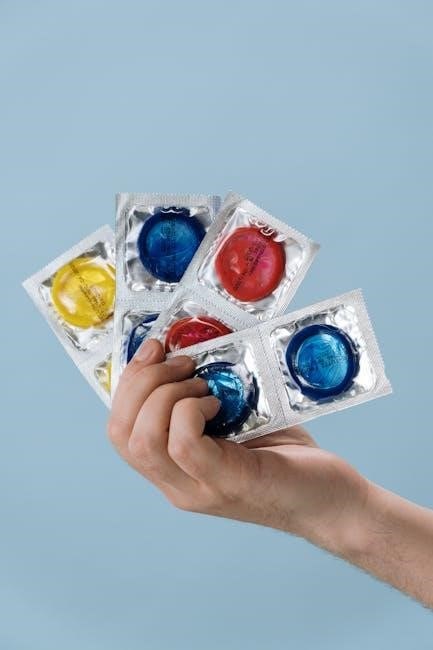
Condoms stand as a cornerstone of sexual health‚ offering dual protection against both unintended pregnancy and the transmission of sexually transmitted infections (STIs). Their consistent and correct use is vital for minimizing risk. Beyond prevention‚ condoms empower individuals to take control of their reproductive and sexual well-being‚ fostering a sense of responsibility and awareness.
Proper application is paramount – ensuring no slippage or breakage. Skills training‚ utilizing models‚ is invaluable for mastering correct techniques. Furthermore‚ understanding lubricant compatibility is crucial‚ as certain types can compromise condom integrity.
Condoms aren’t simply a physical barrier; they represent a conscious choice to prioritize health and respect both oneself and one’s partner. They facilitate safer exploration and enjoyment of sexual intimacy.

Types of Condoms and Their Proper Use
Exploring available options – male and female condoms – is key‚ alongside mastering correct application and removal for optimal protection and peace of mind.
Male Condoms: Application Techniques
Proper application of a male condom is crucial for preventing both unintended pregnancy and the spread of sexually transmitted infections (STIs). Begin by checking the expiration date and carefully opening the package‚ avoiding damage with teeth or sharp objects. Gently place the condom on the tip of the erect penis‚ ensuring the rolled side faces outwards – this allows for easier unrolling.
Pinch the tip to squeeze out any air‚ then roll the condom down the shaft of the penis to the base. If it doesn’t unroll easily‚ discard it and use a new one. Practice makes perfect; utilizing practice with models can build confidence. After intercourse‚ hold the base of the condom while withdrawing‚ preventing slippage. Dispose of the used condom responsibly in a trash receptacle – never flush it down the toilet.
Female Condoms: Insertion and Removal
Female condoms offer a user-controlled barrier method for sexual protection. To insert‚ gently squeeze the closed end of the condom to create an airless space. Carefully insert the closed end deep into the vagina‚ similar to inserting a tampon. The flexible ring will then position itself against the cervix. The open end should remain outside the body.
After intercourse‚ carefully twist and hold the rings while gently removing the condom. Avoid touching the outside of the condom to prevent potential STI exposure. Dispose of the used condom in a sealed plastic bag and discard it in the trash. Like male condoms‚ practice with insertion and removal can increase comfort and confidence. Ensure proper lubrication for easier insertion and reduced risk of breakage.
Lubricant Compatibility with Condoms
Choosing the right lubricant is crucial when using condoms‚ as some can compromise their integrity. Water-based or silicone-based lubricants are generally safe to use with both latex and polyurethane condoms. However‚ oil-based lubricants – including baby oil‚ petroleum jelly‚ and lotions – should be strictly avoided with latex condoms‚ as they can cause them to break or slip.
Always check the lubricant packaging to confirm its compatibility with the type of condom you are using. Using a compatible lubricant enhances comfort‚ reduces friction‚ and minimizes the risk of condom failure. Adequate lubrication is especially important for anal sex to prevent tearing and STI transmission. Prioritize quality lubricants designed for sexual use to ensure safety and effectiveness.
Enhancing Sexual Experience with Positions
Exploring diverse positions can heighten intimacy and pleasure‚ but always prioritize open communication and mutual consent to ensure a fulfilling experience for both partners.
Communication and Consent in Exploring Positions
Open and honest communication forms the bedrock of a healthy sexual relationship‚ especially when exploring new positions. Before attempting anything new‚ discuss desires‚ boundaries‚ and comfort levels with your partner. Consent must be freely given‚ enthusiastic‚ and ongoing – it’s not a one-time agreement.
Regularly check in with each other during intimacy to ensure both individuals feel safe and comfortable. Verbal cues‚ like “yes‚” “no‚” or “slow down‚” are crucial. Non-verbal cues‚ such as body language‚ should also be respected. Remember‚ either partner can withdraw consent at any time‚ and that decision must be honored immediately.
Creating a safe space where vulnerability is welcomed encourages experimentation and strengthens the emotional connection. Discussing what feels good‚ what doesn’t‚ and any concerns without judgment fosters trust and enhances the overall sexual experience. Prioritizing consent and communication transforms exploration into a mutually enjoyable journey.
Positions for Deeper Penetration
Several positions facilitate deeper penetration‚ potentially intensifying sensations for both partners. The missionary position‚ with slight adjustments like elevating the hips with a pillow‚ can increase depth. Doggy style allows for varied angles and control over penetration depth. Woman on top positions‚ particularly with the woman leaning forward‚ offer her agency and can enable deeper entry.
Rear-entry positions‚ where one partner lies on their side and the other enters from behind‚ often allow for significant depth. Experimenting with leg positioning – lifting one leg or spreading them wider – can also modify the angle and depth. Remember‚ comfort and communication are key; adjust positions to suit individual anatomy and preferences.
Gradual exploration and mindful attention to your partner’s reactions are crucial. Deeper penetration isn’t always the goal; prioritizing pleasure and ensuring comfort should always take precedence. Lubrication is essential to minimize friction and enhance enjoyment during these positions.
Positions for Clitoral Stimulation
Maximizing clitoral stimulation during intercourse requires positions that allow for direct or indirect contact. Woman-on-top positions‚ particularly with a slight lean back‚ enable the woman to control the angle and pressure for optimal stimulation. Side-lying positions‚ facing each other‚ allow for manual clitoral stimulation alongside penetration.
The “spooning” position‚ where both partners lie on their sides‚ is excellent for closeness and allows the penetrating partner to reach around for clitoral stimulation. Positions where the woman’s legs are elevated can also enhance access. Utilizing a pillow under the hips can adjust the angle for increased pleasure.
Remember‚ direct clitoral stimulation isn’t always necessary; the indirect stimulation from pelvic movement during intercourse can be highly effective. Open communication about preferences is vital to discover what feels best. Experimentation and mindful attention to your partner’s responses are key to mutual satisfaction.
Positions for G-Spot Stimulation
Targeting the G-spot‚ located on the anterior wall of the vagina‚ often requires specific angles and pressure. Positions that allow for deeper penetration and an upward curve are most effective. The “missionary” position‚ with a pillow under the woman’s hips‚ can elevate the pelvis and facilitate G-spot access.
Doggy style is another excellent option‚ allowing for deep penetration and control over the angle. Woman-on-top positions‚ with the woman leaning forward‚ can also provide the necessary pressure. Experimenting with different depths and rhythms is crucial to finding what feels best.
Communication is key; the G-spot isn’t always easily located‚ and sensations can vary. Gentle exploration and open dialogue about what feels pleasurable will enhance the experience. Remember‚ not everyone experiences G-spot stimulation in the same way‚ and that’s perfectly normal.

Addressing Common Sexual Health Concerns
Navigating sexual health requires acknowledging potential issues like erectile dysfunction and STIs; regular screenings and open communication are vital for well-being.
Erectile Dysfunction and Solutions
Erectile dysfunction (ED)‚ the inability to achieve or maintain a firm erection sufficient for satisfying sex‚ is a common concern impacting men of all ages. It’s crucial to understand that experiencing occasional difficulty doesn’t automatically indicate ED; however‚ persistent issues warrant attention. Several factors can contribute to ED‚ including physical conditions like heart disease‚ diabetes‚ and obesity‚ as well as psychological factors such as stress‚ anxiety‚ and depression.
Fortunately‚ numerous solutions are available. Lifestyle modifications‚ such as regular exercise‚ a healthy diet‚ and smoking cessation‚ can significantly improve erectile function. For some‚ addressing underlying psychological concerns through therapy or counseling proves beneficial. Medical interventions‚ including oral medications (like PDE5 inhibitors)‚ vacuum erection devices‚ and in some cases‚ penile implants‚ offer further options. Consulting a healthcare professional is essential for accurate diagnosis and personalized treatment planning. Don’t hesitate to seek help – ED is treatable‚ and restoring sexual health is achievable.
Preventing Sexually Transmitted Infections (STIs)
Protecting yourself and your partner(s) from STIs is a cornerstone of safe sexual practices. STIs‚ ranging from common infections like chlamydia and gonorrhea to more serious conditions like HIV and syphilis‚ can have significant health consequences if left untreated. Consistent and correct condom use is a highly effective method of reducing STI transmission‚ but it’s not foolproof.

Beyond condoms‚ limiting your number of sexual partners and engaging in open and honest communication about sexual histories are vital preventative measures. Discussing STI status with potential partners before engaging in sexual activity is crucial. Regular STI screening is also essential‚ even in the absence of symptoms‚ as many STIs are asymptomatic. Vaccination is available for some STIs‚ like HPV and Hepatitis B‚ offering further protection. Prioritizing sexual health requires proactive steps and responsible behavior.
The Importance of Regular STI Screening
Routine STI screening is a fundamental aspect of responsible sexual health management‚ even without noticeable symptoms. Many sexually transmitted infections (STIs) progress without immediate warning signs‚ potentially leading to long-term health complications and unknowingly spreading the infection to others; Regular testing allows for early detection and prompt treatment‚ significantly reducing these risks.
The frequency of screening depends on individual factors‚ including sexual activity level‚ number of partners‚ and risk behaviors. Individuals with multiple partners or inconsistent condom use should be screened more frequently. Screening isn’t a one-time event; it’s an ongoing commitment to well-being. Don’t hesitate to discuss appropriate screening schedules with a healthcare provider. Proactive testing empowers you to take control of your sexual health and protect yourself and your partners.

Condom Use and STI Prevention: Detailed Guidance
Consistent and correct condom usage dramatically reduces the risk of STI transmission and unintended pregnancy‚ requiring practice and skill for optimal effectiveness.
Correct Condom Application: Step-by-Step
Ensuring proper application is crucial for condom effectiveness. Begin by carefully checking the expiration date and gently opening the package‚ avoiding damage with teeth or sharp objects. Identify the correct side – rolling it in the direction indicated. Place the condom on the tip of the erect penis‚ leaving space for semen.
Pinch the tip to squeeze out any air‚ then roll it down the shaft of the penis to the base. If it doesn’t unroll easily‚ discard it and use a new one. After intercourse‚ while the penis is still erect‚ hold the base of the condom and carefully withdraw‚ preventing slippage. Dispose of the used condom responsibly in a trash receptacle – never flush it down the toilet.
Practice with a model can build confidence and ensure correct technique. Remember‚ skills are best learned through demonstration and hands-on practice.
Avoiding Condom Breakage: Best Practices
Minimizing the risk of breakage requires diligent attention to detail. Always use a new condom for each act of intercourse. Ensure the condom is not expired and is stored correctly – away from direct sunlight and extreme temperatures. Use sufficient water-based lubricant to maintain moisture and reduce friction‚ as dryness increases breakage risk.
Avoid oil-based lubricants‚ as they can weaken latex. During intercourse‚ regularly check the condom for any signs of damage. Communicate with your partner to ensure comfort and prevent excessive strain. If the condom slips or breaks‚ stop immediately and consider emergency contraception if pregnancy is undesired.
Proper application and careful handling are key to maximizing protection and peace of mind.
Proper Condom Removal Techniques
Careful removal is crucial to prevent spillage and maintain effectiveness. Immediately after intercourse‚ while still erect‚ hold the base of the condom firmly against the base of the penis. Gently withdraw‚ being mindful to avoid tearing or puncturing the condom.
Withdrawal should be smooth and controlled. Once fully withdrawn‚ carefully roll the condom off the penis‚ avoiding contact with bodily fluids inside. Dispose of the used condom properly in a sealed bag and discard it in a trash receptacle – never flush it down the toilet.
Wash your hands thoroughly with soap and water after disposal. Proper removal minimizes the risk of STI transmission and unintended pregnancy.

Beyond Condoms: Additional Protective Measures
Reducing risk involves limiting partners‚ honest communication about sexual histories‚ and exploring options like Pre-Exposure Prophylaxis (PrEP) for enhanced protection.
Limiting Sexual Partners for Reduced Risk
Engaging in sexual activity with a new partner inherently carries the risk of exposure to Sexually Transmitted Infections (STIs). Consequently‚ a proactive step towards minimizing this risk is consciously limiting the number of sexual partners one has. This doesn’t negate the importance of safe sex practices with any partner‚ but it significantly reduces the overall probability of encountering an STI.
Prioritizing partners who openly communicate about their medical and sexual history is crucial. Honest dialogue allows for informed decision-making regarding protection and STI testing. Furthermore‚ mutual agreement on consistent and correct safe sex practices – including proper condom use – is paramount. Building trust and fostering open communication are foundational elements of responsible sexual health.
Remember‚ reducing the number of partners doesn’t eliminate risk entirely; it simply lowers it. Consistent condom use and regular STI screenings remain vital components of a comprehensive sexual health strategy‚ regardless of partner number.
Open Communication About Sexual History
Establishing honest and open communication regarding sexual history is a cornerstone of responsible sexual health. This conversation‚ while potentially uncomfortable‚ empowers both partners to make informed decisions about protection and testing. It’s about fostering a safe space where vulnerability is met with respect and understanding‚ not judgment.
Discussing past sexual experiences‚ STI status‚ and testing frequency allows for a shared awareness of potential risks. This transparency enables couples to collaboratively choose the most appropriate protective measures‚ ensuring both individuals feel secure and respected. It’s not about scrutinizing past behavior‚ but about proactively safeguarding future health.
Remember‚ initiating this conversation requires sensitivity and empathy. Frame it as a mutual commitment to well-being‚ rather than an interrogation. Prioritizing open dialogue builds trust and strengthens the foundation of a healthy sexual relationship‚ alongside consistent safe sex practices.
Pre-Exposure Prophylaxis (PrEP) Options
Pre-Exposure Prophylaxis‚ or PrEP‚ represents a significant advancement in HIV prevention‚ offering a proactive approach for individuals at heightened risk. PrEP involves taking a daily pill‚ or receiving an injection‚ to reduce the likelihood of HIV infection‚ even with potential exposure.
It’s crucial to understand that PrEP is highly effective when taken consistently as prescribed‚ but it doesn’t offer protection against other sexually transmitted infections (STIs). Regular STI screening remains essential alongside PrEP usage. A healthcare provider can assess individual risk factors and determine if PrEP is a suitable option.
Discussing PrEP with a doctor involves a comprehensive evaluation‚ including HIV testing and kidney function assessment. Access to PrEP is expanding‚ and resources are available to help individuals navigate the process and affordably obtain this preventative medication‚ bolstering overall sexual health strategies.

Resources and Further Information
Reliable sources like WHO‚ UNFPA‚ and FHI provide comprehensive guidelines on condom use and sexual health‚ ensuring informed decisions and safe practices.
WHO/UNFPA/FHI Guidelines on Condom Use
The World Health Organization (WHO)‚ United Nations Population Fund (UNFPA)‚ and Family Health International (FHI) collaboratively publish crucial guidelines for condom procurement‚ usage‚ and effectiveness. These resources emphasize the importance of quality assurance throughout the supply chain‚ ensuring condoms meet rigorous international standards for safety and reliability.
Detailed information covers proper storage‚ handling‚ and distribution to maintain condom integrity. The guidelines also address lubricant compatibility‚ highlighting recommendations for water-based or silicone-based lubricants to avoid compromising latex condoms. Furthermore‚ they stress the necessity of comprehensive sexual health education‚ including correct application techniques demonstrated through practical training‚ utilizing models for effective skill-building.
These organizations advocate for consistent and correct condom use as a cornerstone of preventing sexually transmitted infections (STIs) and unintended pregnancies‚ promoting overall sexual and reproductive health globally. Access to these guidelines is readily available online‚ fostering informed decision-making and empowering individuals to prioritize safer sexual practices.
Reliable Online Resources for Sexual Health
Navigating the digital landscape for sexual health information requires discernment. Several reputable websites offer evidence-based guidance‚ prioritizing accuracy and inclusivity. Planned Parenthood (www.plannedparenthood.org) provides comprehensive resources on contraception‚ STIs‚ and overall reproductive health‚ alongside service location details.
The Centers for Disease Control and Prevention (CDC) (www.cdc.gov/sexualhealth) offers detailed STI factsheets‚ prevention strategies‚ and testing recommendations. Additionally‚ WHO (www.who.int/health-topics/sexual-and-reproductive-health) provides global perspectives and guidelines on sexual and reproductive health matters.
Hims & Hers (www.forhims.com/blog/sexual-health-resources) offers articles reviewed by medical professionals‚ focusing on conditions like erectile dysfunction. Always verify information with a healthcare provider for personalized advice and ensure sources are peer-reviewed and up-to-date.
Seeking Professional Medical Advice
While online resources offer valuable information‚ they should not replace professional medical guidance. Consulting a healthcare provider is crucial for personalized sexual health advice‚ STI screening‚ and addressing specific concerns. Regular check-ups allow for early detection and treatment of potential issues‚ ensuring overall well-being.
Discussing sexual health openly with a doctor or gynecologist fosters a trusting relationship‚ enabling informed decision-making. They can provide tailored recommendations regarding contraception‚ safe sex practices‚ and managing conditions like erectile dysfunction. Don’t hesitate to seek clarification or address any anxieties you may have.
Remember‚ self-diagnosis can be inaccurate and potentially harmful. A medical professional can accurately assess your individual needs and provide evidence-based solutions. Prioritizing professional care demonstrates a commitment to responsible sexual health management and proactive well-being.

Troubleshooting and Common Mistakes
Addressing issues like slippage or discomfort is vital for continued protection and enjoyment; practice proper application and communication with your partner consistently.
Addressing Slippage During Intercourse
Condom slippage during sexual activity can significantly reduce effectiveness‚ increasing the risk of unintended pregnancy and sexually transmitted infections. Several factors contribute to this issue‚ including incorrect size‚ inadequate application‚ or insufficient withdrawal before intercourse. Ensuring the condom is the correct size is crucial; too loose‚ and it will slip‚ while too tight may cause breakage.
Proper application involves carefully unrolling the condom over the erect penis‚ pinching the tip to remove air‚ and ensuring it lies flat. Avoid using oil-based lubricants with latex condoms‚ as they can weaken the material. If slippage occurs‚ immediately stop intercourse‚ check the condom’s integrity‚ and replace it with a new one. Communication with your partner is key – discuss any concerns and adjust positions or techniques as needed to maintain a secure fit. Practicing with a partner can build confidence and skill.
Dealing with Condom Discomfort
Experiencing discomfort while using condoms is common‚ but shouldn’t be ignored as it can lead to reduced use or breakage; Several factors can contribute to this‚ including latex allergies‚ dryness‚ or an ill-fitting condom. If you suspect a latex allergy‚ explore non-latex options like polyurethane or polyisoprene condoms. Adequate lubrication is vital; water-based or silicone-based lubricants can alleviate friction and enhance comfort.
Choosing the right size is paramount. A condom that’s too small can cause constriction and discomfort‚ while one that’s too large may slip. Experiment with different brands and sizes to find the best fit. If discomfort persists‚ consider consulting a healthcare professional to rule out any underlying medical conditions. Open communication with your partner about comfort levels is also essential for a positive sexual experience.

Recognizing Signs of Allergic Reaction
Allergic reactions to condoms‚ typically latex‚ can range from mild irritation to severe responses. Recognizing the signs is crucial for prompt action. Mild reactions include localized itching‚ redness‚ or rash at the point of contact. More severe symptoms involve hives‚ swelling (especially of the mouth‚ face‚ or throat)‚ difficulty breathing‚ or dizziness.
Immediate cessation of use is vital if any allergic symptoms appear. Remove the condom carefully and wash the affected area with mild soap and water. For mild reactions‚ over-the-counter antihistamines may provide relief. However‚ severe symptoms necessitate immediate medical attention – seek emergency care. Switching to non-latex condoms (polyurethane or polyisoprene) is essential to prevent future reactions. Always inform healthcare providers about any known latex allergies.