Housekeeping fundamentally involves routine tasks for a clean, tidy, and well-maintained space, encompassing cleaning, organizing, and safety. It’s the management of a home, ensuring a welcoming environment.
This includes activities like cleaning surfaces, organizing belongings, and maintaining hygiene, vital for both guests and residents alike. It’s about efficient home affairs.
What is Housekeeping?
Housekeeping is far more than simply tidying up; it’s a comprehensive system of managing tasks to maintain cleanliness, order, and hygiene within a living or working space. It encompasses a broad spectrum of activities, ranging from the fundamental – like cleaning floors and surfaces – to the more detailed, such as organizing personal belongings and ensuring adherence to safety standards.
Essentially, housekeeping is the art of running and maintaining an organized physical institution, be it a house, hospital, or factory. This includes not only cleaning and organizing but also potentially tasks like cooking, shopping for necessities, and even managing bill payments. It’s a holistic approach to home management, creating a comfortable and functional environment.
The definition extends to the financial aspect too, referring to the money allocated for household expenses. Ultimately, effective housekeeping contributes to a healthier, safer, and more pleasant atmosphere for all occupants.
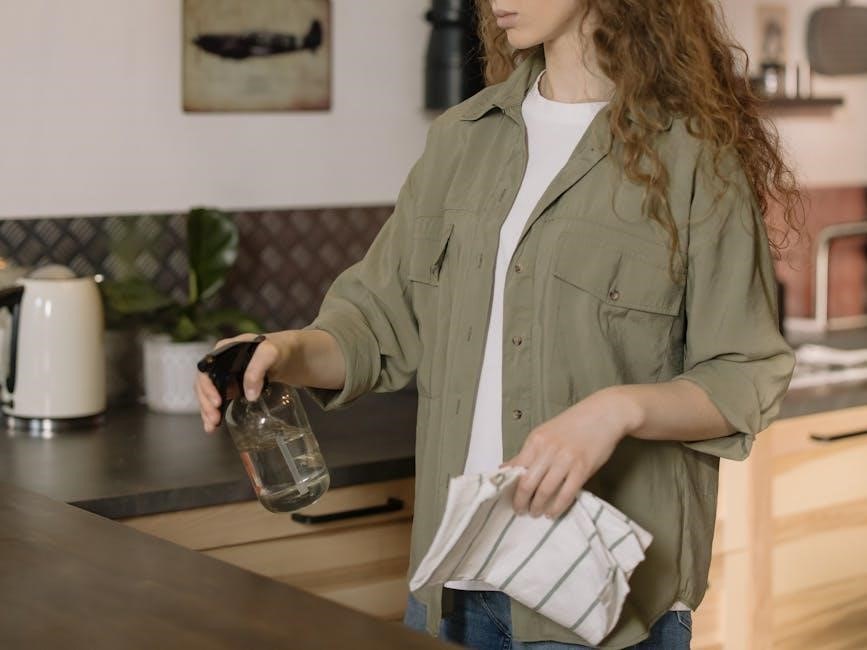
The Importance of a Clean Home
A clean home is paramount, extending far beyond mere aesthetics. It directly impacts physical and mental well-being, fostering a healthier living environment free from allergens, dust, and harmful bacteria. Regular cleaning reduces the risk of illness and promotes better respiratory health for all inhabitants.
Furthermore, a tidy space significantly reduces stress and anxiety. Clutter can be overwhelming, contributing to feelings of being disorganized and unproductive. A clean, organized home promotes a sense of calm and control, enhancing mental clarity and focus; It creates a welcoming atmosphere for both residents and guests.
Maintaining cleanliness also demonstrates self-respect and pride in one’s living space. It’s an investment in overall quality of life, contributing to a more positive and harmonious home environment. Prioritizing housekeeping is prioritizing well-being.

Creating a Housekeeping Schedule
Establishing a schedule is key to consistent cleanliness. Divide tasks into daily, weekly, monthly, and seasonal routines for manageable upkeep and a consistently tidy home.
Daily Housekeeping Tasks
Consistent daily efforts prevent buildup and maintain a generally tidy home. These tasks, though small, contribute significantly to overall cleanliness and a more pleasant living space. Begin with making beds – a quick win that instantly improves bedroom appearance.
Wipe down kitchen counters and sink after each use to prevent grime accumulation. Sweep or vacuum high-traffic areas daily to control dust and debris. A quick bathroom wipe-down – sink, counter, and toilet seat – keeps it fresh. Dishwashing, or loading the dishwasher, is crucial to avoid kitchen clutter.
Take out the trash as needed, preventing odors and maintaining hygiene. Do a quick tidy-up of living areas, putting away items left out. These small, consistent actions, when incorporated into your routine, dramatically reduce the need for extensive cleaning later, fostering a consistently welcoming and organized home environment.
Weekly Housekeeping Tasks
Weekly tasks build upon daily efforts, providing a more thorough clean. Bathroom cleaning should include scrubbing the shower/tub, toilet, and floors. Kitchen duties encompass cleaning the microwave, stovetop, and refrigerator surfaces, alongside a thorough floor cleaning.
Dusting all surfaces throughout the house – furniture, shelves, and décor – removes accumulated allergens. Vacuuming or mopping all floors is essential, paying attention to corners and under furniture. Change bed linens and wash them to maintain hygiene and freshness.
Empty all trash cans and replace liners. A quick decluttering session – 15-30 minutes – prevents buildup. These weekly routines, while requiring more time than daily tasks, are vital for maintaining a consistently clean, healthy, and comfortable living space, preventing overwhelming deep-cleaning needs.
Monthly Housekeeping Tasks
Monthly cleaning focuses on deeper tasks beyond weekly routines. Wash curtains or blinds to remove dust and allergens, improving air quality. Clean light fixtures – dust or wash glass shades – to maximize brightness. Vacuum upholstery on furniture, including under cushions, to eliminate dust mites and debris.
Wipe down baseboards and door frames, removing scuffs and grime. Clean mirrors and windows for a streak-free shine. Deep clean the kitchen sink and garbage disposal, disinfecting thoroughly. Check and clean range hood filters to maintain proper ventilation.
These tasks, while less frequent, contribute significantly to a healthier and more pleasant home environment. They prevent the accumulation of dirt and grime, making future cleaning easier and maintaining a consistently high standard of cleanliness throughout the entire house.
Seasonal/Deep Cleaning Tasks
Seasonal deep cleaning tackles extensive tasks a few times a year, often coinciding with changing seasons. Wash all bedding, including comforters and pillows, to eliminate dust mites and allergens. Clean out closets and declutter unwanted items, donating or discarding as needed.
Wash windows inside and out, improving natural light and visibility. Deep clean carpets and rugs, either by renting a machine or hiring professionals. Clean appliances thoroughly, including the oven, refrigerator, and dishwasher; Inspect and clean gutters (exterior task) to prevent water damage.
These intensive efforts revitalize the home, addressing areas often neglected during routine cleaning. They contribute to a healthier living space and prevent minor issues from escalating into larger, more costly problems, ensuring long-term home maintenance.

Essential Cleaning Supplies
Effective housekeeping requires the right tools and solutions, from basic implements like mops and cloths to specialized disinfectants for thorough cleaning and hygiene.
Basic Cleaning Tools
A well-equipped cleaning arsenal begins with fundamental tools essential for tackling various household chores. A quality vacuum cleaner is paramount, suitable for different floor types – hardwood, carpet, and tile – ensuring effective dust and debris removal.
Mops and buckets are crucial for floor cleaning, with options ranging from traditional string mops to microfiber mops offering superior cleaning power. Brooms and dustpans remain indispensable for quick sweeps and collecting loose dirt. Don’t forget cleaning cloths – microfiber cloths are excellent for dusting and wiping surfaces, leaving them streak-free.
Sponges are versatile for dishwashing and general cleaning, while scrub brushes provide extra scrubbing power for stubborn stains. A rubber glove protects your hands from harsh chemicals and keeps them clean. Finally, a spray bottle is useful for dispensing cleaning solutions effectively. Investing in durable, high-quality tools will significantly enhance your housekeeping efficiency and longevity.
Cleaning Solutions & Disinfectants
Effective cleaning necessitates a range of solutions tailored to different surfaces and cleaning needs. All-purpose cleaners are versatile for general surface cleaning, while glass cleaners ensure streak-free shine on windows and mirrors. Bathroom cleaners tackle soap scum and mildew, while kitchen degreasers cut through grease and grime.
Disinfectants are crucial for eliminating germs and bacteria, particularly in high-touch areas like kitchens and bathrooms. Bleach is a powerful disinfectant but requires careful handling and dilution. Disinfecting wipes offer convenience for quick surface sanitization. Always read and follow the manufacturer’s instructions for proper use and safety precautions.
Consider the surface material before applying any cleaning solution to avoid damage. Proper ventilation is essential when using strong chemicals. Choosing the right cleaning solutions and disinfectants ensures a hygienic and healthy home environment.
Eco-Friendly Cleaning Alternatives
Reducing your environmental impact while maintaining a clean home is achievable with eco-friendly alternatives. Vinegar is a versatile cleaner, effective for disinfecting and removing hard water stains. Baking soda acts as a gentle abrasive and deodorizer, perfect for scrubbing surfaces. Lemon juice offers natural disinfecting properties and a fresh scent.
Castile soap, made from vegetable oils, is a biodegradable all-purpose cleaner. Essential oils, like tea tree and lavender, provide natural antibacterial and fragrant benefits. Combining these ingredients can create effective cleaning solutions without harsh chemicals.
Reusable microfiber cloths reduce paper towel waste. Prioritizing natural, biodegradable products minimizes pollution and promotes a healthier home environment. Embracing these alternatives demonstrates a commitment to sustainability and well-being.

Room-by-Room Cleaning Guide
Effective cleaning requires a tailored approach for each room, focusing on specific needs and surfaces. Prioritize tasks based on usage and potential mess accumulation.
Kitchen Cleaning Checklist
Daily Tasks: Wipe down countertops and sink after each use. Sweep or vacuum the floor to remove crumbs and debris. Quickly wash dishes or load the dishwasher. Empty the trash can as needed, especially after food preparation.
Weekly Tasks: Thoroughly clean the sink and faucet. Wipe down appliance exteriors (refrigerator, oven, dishwasher). Clean the microwave inside and out. Mop the kitchen floor. Clean stovetop and range hood. Wipe down cabinet fronts.
Monthly Tasks: Deep clean the refrigerator, discarding expired items. Clean the oven interior; Clean the dishwasher filter. Wipe down pantry shelves. Inspect and clean the garbage disposal. Polish stainless steel appliances.
Seasonal Tasks: Deep clean cabinets and drawers, removing everything and wiping down interiors. Clean grout between tiles. Check and clean under the sink for leaks or spills. This ensures a hygienic and functional kitchen space.
Bathroom Cleaning Checklist
Daily Tasks: Wipe down the sink and countertop after each use. Squeegee shower walls to prevent water spots and mildew; Hang up towels neatly. Quickly sweep or vacuum the floor to remove hair and dust.
Weekly Tasks: Clean the toilet thoroughly, inside and out. Scrub the shower and bathtub. Clean the bathroom mirror. Mop the bathroom floor. Wipe down cabinet doors and drawers. Empty the trash can.
Monthly Tasks: Deep clean the showerhead, removing mineral buildup. Clean grout between tiles. Wash shower curtain or liner. Clean bathroom exhaust fan. Organize toiletries and drawers.
Seasonal Tasks: Deep clean cabinets and drawers, discarding old products. Check for and repair any leaks. Inspect and clean under the sink. This maintains a sanitary and pleasant bathroom environment.
Bedroom Cleaning Checklist
Daily Tasks: Make the bed immediately upon waking. Put away clothes and belongings. A quick tidy-up of surfaces prevents clutter buildup. Open windows for fresh air circulation, if weather permits.
Weekly Tasks: Change bed linens, washing them in hot water. Dust all surfaces, including furniture and picture frames. Vacuum or mop the floor thoroughly. Empty the trash can and replace the liner.
Monthly Tasks: Wash or dry clean curtains or drapes. Clean mirrors and windows. Rotate mattress to ensure even wear. Declutter bedside tables and dressers.
Seasonal Tasks: Deep clean closets, donating unwanted items. Wash or dry clean comforters and duvets. Flip and rotate mattress. This creates a restful and organized bedroom space.
Living Room Cleaning Checklist
Daily Tasks: Fluff pillows and fold blankets. Quickly tidy up any items left out – books, remotes, toys. A swift surface wipe-down keeps things presentable. Ensure good air circulation by opening windows briefly.
Weekly Tasks: Dust all surfaces, including shelves, tables, and electronics. Vacuum or mop floors, paying attention to corners and under furniture. Clean any glass surfaces, like coffee tables or mirrors. Empty trash receptacles.
Monthly Tasks: Wash or dry clean curtains or drapes. Spot clean upholstery on sofas and chairs. Polish wood furniture. Dust light fixtures and ceiling fans.
Seasonal Tasks: Deep clean carpets or rugs. Wash windows inside and out. Rearrange furniture for a fresh look. Declutter shelves and storage areas, donating unwanted items.
Organization & Decluttering
Effective organization and decluttering are crucial for a tidy home, involving strategic storage and eliminating unnecessary items. Maintaining this order creates a peaceful, functional space.
Decluttering Strategies
Embarking on decluttering can feel overwhelming, but employing effective strategies makes the process manageable. Begin by focusing on one area at a time – a drawer, a shelf, or a single room – to avoid feeling scattered. The “four-box method” is incredibly helpful: designate boxes for items to keep, donate, discard, and relocate.
Be ruthless in your assessment. If you haven’t used an item in a year, seriously consider letting it go. Ask yourself if it adds value to your life or if it’s simply taking up space. Sentimental items are the hardest, but consider photographing them instead of keeping the physical object. Regularly revisit areas you’ve decluttered to prevent re-accumulation.
Don’t fall into the trap of “maybe someday.” If you’re holding onto something for a hypothetical future use, it’s likely clutter. Prioritize functionality and create a system for regularly purging unwanted items. Remember, decluttering isn’t just about getting rid of things; it’s about creating a more peaceful and organized living space.
Storage Solutions
Effective storage is crucial after decluttering, maximizing space and maintaining organization. Utilize vertical space with shelving units and wall-mounted organizers. Under-bed storage containers are excellent for seasonal items or less frequently used belongings. Consider multi-functional furniture, like ottomans with hidden storage or beds with built-in drawers.
Clear storage bins allow you to easily identify contents without rummaging. Label everything meticulously – this is key to long-term organization. Group similar items together; dedicate specific areas for linens, cleaning supplies, or hobbies. Don’t overlook often-unused spaces like the backs of doors (with over-the-door organizers) or the space above cabinets.
Regularly assess your storage solutions. Are they still meeting your needs? Adjust as necessary to optimize space and accessibility. A well-planned storage system transforms a cluttered home into an organized and functional haven, simplifying daily life and reducing stress.
Maintaining Organization
Consistent habits are paramount for sustained organization. The “one-in, one-out” rule – discarding an old item when a new one is acquired – prevents accumulation. Daily tidying, even for just 15-20 minutes, prevents clutter from overwhelming spaces. Make putting things away immediately a non-negotiable habit for everyone in the household.
Regularly revisit decluttering efforts, perhaps quarterly, to reassess belongings and eliminate unused items. Establish designated drop-off zones for incoming mail and packages to prevent surface clutter. Implement a system for managing paperwork – filing, scanning, or shredding promptly. A place for everything, and everything in its place, is a foundational principle.
Involve all household members in maintaining organization, assigning age-appropriate tasks. Celebrate successes and reinforce positive habits. Organization isn’t a one-time event; it’s an ongoing process requiring commitment and consistency to create a peaceful and functional home.

Housekeeping Budgeting
Effective budgeting considers cleaning supply costs and potential housekeeper fees. Expenses vary based on house size, cleaning frequency, and chosen services, impacting overall spending.
Cost of Cleaning Supplies

Estimating the cost of cleaning supplies requires considering both basic essentials and specialized products. Initial investments can range from $50 to $200, depending on the scope of cleaning and brand preferences. Basic tools – like buckets, mops, and cloths – are relatively inexpensive, typically costing under $30.
Cleaning solutions, including all-purpose cleaners, disinfectants, and bathroom cleaners, contribute significantly to the overall expense. Expect to spend around $20-$50 per month on replenishing these items, depending on usage and product choices. Eco-friendly alternatives often come with a higher price tag, potentially increasing monthly costs by 10-30%.
Additional expenses may include laundry detergents, dish soap, and specialized cleaners for specific surfaces like wood or stainless steel. Regularly assessing your needs and purchasing in bulk when possible can help minimize costs. Don’t forget to factor in replacement costs for worn-out tools like sponges and mop heads, adding another $10-$20 to the annual budget.
Hiring a Housekeeper: Costs & Considerations
The cost of hiring a housekeeper varies significantly based on location, house size, cleaning frequency, and the scope of services required. Hourly rates typically range from $25 to $75, with an average of around $30-$40 per hour. A one-time deep clean can cost between $150 and $600, depending on the size and condition of the home.
Recurring services, like weekly or bi-weekly cleaning, often come with discounted rates. Consider factors beyond price, such as the housekeeper’s experience, reliability, and insurance coverage. Background checks are crucial for ensuring safety and trust.
Additional considerations include whether you’ll provide the cleaning supplies or if the housekeeper will bring their own. Clearly defining expectations and creating a detailed job description will help avoid misunderstandings and ensure a satisfactory cleaning experience. Remember to factor in potential travel costs if the housekeeper needs to commute a significant distance.
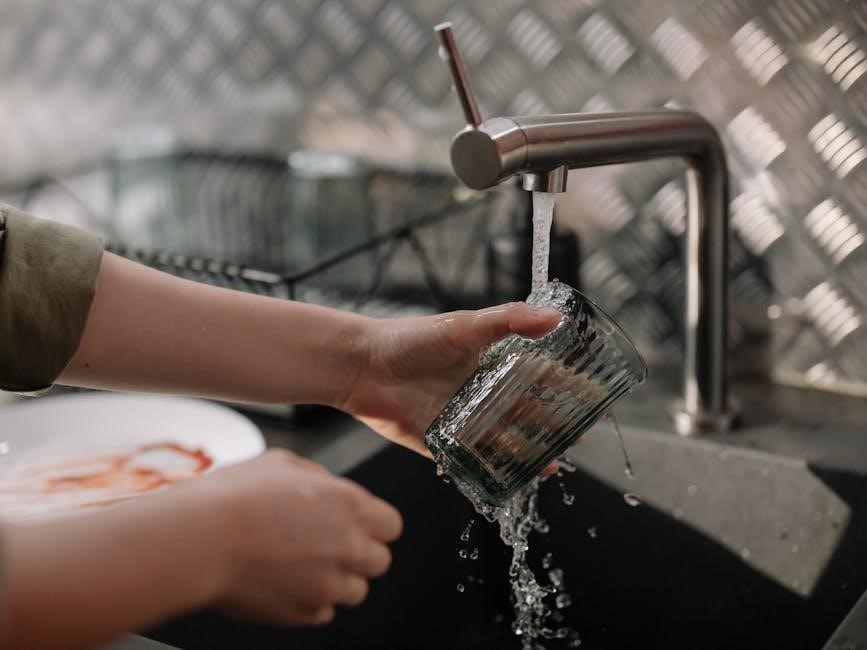
Safety in Housekeeping
Prioritize safety when handling cleaning chemicals; always read labels and ensure proper ventilation. Prevent injuries by using appropriate equipment and practicing safe lifting techniques.
Handling Cleaning Chemicals Safely
Chemical safety is paramount during housekeeping. Always read and understand the product label before use, noting warnings and instructions for dilution and application. Never mix different cleaning products, as this can create hazardous fumes – a potentially life-threatening situation.
Ensure adequate ventilation by opening windows or using fans when working with chemicals. Wear appropriate personal protective equipment (PPE), such as gloves and eye protection, to prevent skin and eye irritation. Store cleaning products in a secure location, out of reach of children and pets, and preferably in their original containers.
In case of accidental ingestion or contact with skin or eyes, immediately follow the first aid instructions on the product label and seek medical attention if necessary. Properly dispose of empty containers according to local regulations. Understanding Material Safety Data Sheets (MSDS) provides detailed information about each chemical’s hazards and safe handling procedures.
Preventing Injuries During Cleaning
Prioritizing safety is crucial to avoid injuries while housekeeping. Use caution when working at heights, utilizing a sturdy ladder or step stool and ensuring it’s properly positioned. Avoid overreaching, which can lead to falls. Be mindful of wet floors, using caution signs or immediately drying spills to prevent slips.
Practice proper lifting techniques – bend your knees, keep your back straight, and avoid twisting – when moving heavy objects. Protect your hands by wearing gloves, especially when handling harsh chemicals or hot water. Be aware of electrical hazards, ensuring cords are not frayed and avoiding contact with water.
Take regular breaks to prevent fatigue, which can impair judgment and increase the risk of accidents. Maintain good posture throughout cleaning tasks. A well-organized workspace minimizes tripping hazards and promotes a safer cleaning environment for everyone involved.