A Wizards Guide to Defensive Baking introduces Mona, a unique apprentice baker whose magical abilities are tied directly to her craft, offering a refreshing fantasy narrative.
Unlike traditional wizards, Mona’s power stems from baking—specifically, defensive baking—and her familiar is a lively sourdough starter, adding a cozy, unconventional element.
This novel stands out for its lack of romance and focus on a heroine dedicated to mastering her profession, fighting for her city despite its flaws and shortcomings.
The Unique Magic System
The magic within A Wizards Guide to Defensive Baking diverges sharply from conventional spellcasting, centering around the culinary arts. Mona’s abilities aren’t rooted in elemental control or incantations, but in the precise application of baking techniques and ingredients.
Her magic is intrinsically linked to her sourdough starter, acting as a familiar and a conduit for her power. This isn’t about flashy displays; it’s about imbuing baked goods with protective qualities – gingerbread sentinels, shielding cakes, and crusts offering defense.
The system emphasizes practicality and necessity, born from a need to defend the city. It’s a magic of resilience, resourcefulness, and the surprising strength found in everyday skills, making it a truly distinctive approach to fantasy worldbuilding.
Mona’s Unconventional Abilities
Mona distinguishes herself from other wizards through her singular magical skillset. She lacks the capacity for traditional spellcasting, unable to manipulate elements like lightning or water, setting her apart in a world reliant on such powers.
Her strength lies in defensive baking, a unique discipline where she imbues pastries with protective enchantments. This isn’t a chosen path, but a necessity, utilizing her baking talent to safeguard her city. Her sourdough starter serves as a vital familiar, amplifying her magical output.
Mona’s dedication to perfecting her craft, rather than seeking grand power, makes her a relatable and compelling protagonist, proving strength can be found in unexpected places.

The City Under Siege
The city faces a looming threat requiring magical defense, yet traditional wizardry proves insufficient, forcing Mona to utilize her unconventional baking-based abilities for protection.
The Nature of the Threat
The city is besieged by an unspecified danger, one that conventional magical defenses struggle to counter effectively. This isn’t a simple case of battling a dark lord or a monstrous beast; the threat appears to necessitate a different approach, a more…domestic solution.
Traditional wizards, reliant on elemental magic and grand spells, find their powers lacking against this particular challenge. The narrative subtly suggests a complexity to the enemy that bypasses standard magical wards and attacks.
This creates a desperate need for alternative methods of protection, paving the way for Mona’s unique skillset and the surprising efficacy of defensive baking to come to the forefront.
Why Traditional Magic Fails
Conventional wizardry proves insufficient because the threat isn’t susceptible to typical magical solutions like lightning strikes or water manipulation. The enemy’s nature bypasses these established defenses, rendering the city’s established magical protectors largely ineffective.
The story implies a deeper, more nuanced reason for this failure – perhaps the threat operates on a different magical frequency or possesses an inherent resistance to elemental forces.
This inadequacy highlights the importance of Mona’s unconventional abilities, demonstrating that sometimes, the most effective defense isn’t the most powerful, but the most unexpected;

Core Principles of Defensive Baking
Defensive baking relies on a unique system where ingredient properties, sourdough starter health, and precise timing combine to create potent magical effects and protections.
The Importance of Sourdough Starters
The sourdough starter isn’t merely an ingredient; it’s Mona’s familiar and the very core of her magical abilities. This living culture acts as a conduit for her power, amplifying spells and providing a unique connection to the magical energies woven into baking.
A healthy, active starter is paramount, demanding consistent care and attention. Its vitality directly influences the strength and effectiveness of the defensive baked goods. Neglecting the starter weakens Mona’s magic, rendering her creations less potent.

The starter’s age and the specific microorganisms within contribute to the nuanced magical properties of each bake, making it a deeply personal and essential component of defensive baking.
Ingredient-Based Spellcasting
Defensive baking’s magic isn’t about incantations, but the inherent properties of ingredients. Each component – flour, sugar, spices, and herbs – possesses unique magical resonances that Mona skillfully manipulates. Flour provides structure and grounding, while sugar enhances protective energies.
Spices and herbs aren’t just for flavor; they act as catalysts, focusing and directing magical intent. Specific combinations create tailored defenses against various threats. Careful selection and precise measurements are crucial for successful spellcasting.
This system emphasizes a deep understanding of ingredients and their interactions, transforming the kitchen into a magical workshop where culinary skill and arcane power converge.
The Role of Temperature and Timing
In defensive baking, precision isn’t limited to ingredient measurements; temperature and timing are equally vital components of spellcasting. The heat of the oven acts as an amplifier, activating the magical properties within the dough and ingredients.
Incorrect temperatures can weaken or even negate a spell, while precise baking times ensure the magical energies are fully integrated and stable. A rushed bake might yield a fragile defense, while overbaking could result in a brittle, ineffective ward.
Mona must master this delicate balance, understanding how each stage of the baking process influences the final magical outcome.
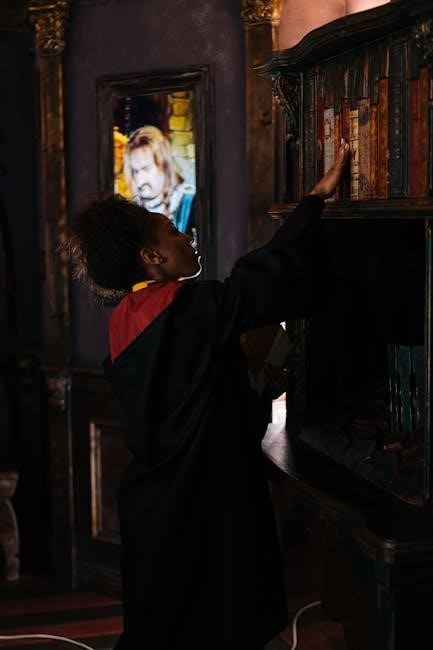
Key Defensive Baked Goods
Gingerbread men serve as sentinels, bread crusts offer protection, and cakes create shielding barriers—each baked good possesses unique defensive properties in Mona’s magical world.
Gingerbread Men as Sentinels
Gingerbread men aren’t merely festive treats in Mona’s world; they are crucial components of her defensive arsenal, functioning as surprisingly effective sentinels. These aren’t your average, sweetly spiced cookies; Mona imbues them with magic, granting them limited mobility and the ability to detect approaching threats.
Their primary function isn’t direct combat, but rather early warning. Positioned strategically around the city, these gingerbread guardians alert Mona to danger, allowing her to prepare more substantial defenses. The dancing gingerbread, as noted in reviews, highlights the whimsical yet practical nature of her magic. They are a charming, yet vital, first line of defense, embodying the unique blend of baking and wizardry central to the story.
The Protective Properties of Bread Crusts
Bread crusts, often discarded as leftovers, possess remarkable defensive capabilities within Mona’s magical system. Their hardened exterior isn’t just a textural element; it acts as a surprisingly resilient barrier against minor magical attacks and physical intrusions. Mona discovers that the crust’s structure, developed during baking, can be magically reinforced.
These fortified crusts can be used to create temporary shields, deflect low-level spells, or even reinforce existing structures. The strength of the protection correlates directly with the quality of the bake and the baker’s intent. This unconventional application of a common ingredient showcases the ingenuity at the heart of defensive baking, turning everyday items into powerful safeguards.
Cakes for Shielding and Barriers
Cakes, unlike the more direct defense offered by bread crusts, provide a versatile foundation for creating magical shielding and barriers. Mona learns to imbue cakes with protective enchantments, layering flavors and ingredients to amplify their defensive properties. The density and richness of a cake contribute to its resilience, allowing it to absorb and dissipate magical energy.
Larger cakes can be constructed into temporary walls or protective domes, while smaller, intricately decorated cakes serve as personal shields. The specific type of cake—sponge, pound, or fruitcake—influences the nature of the protection offered, demonstrating the nuanced control Mona gains over her baking-based magic.

Advanced Baking Techniques
Mastering defensive baking requires enchanting dough with focused intent, utilizing herbs and spices for amplified defense, and skillfully inscribing pastries with protective runes.
Enchanting Dough with Intent
The core of advanced defensive baking lies in imbuing the dough itself with magical intent during the kneading process. This isn’t merely about following a recipe; it’s about channeling focused energy and specific desires into the very structure of the bread or pastry.
Mona, the protagonist, demonstrates this by visualizing the desired outcome – a strong shield, a ward against specific threats – while working the dough. The baker must be completely present, concentrating on the protective qualities they wish to instill.
This requires a deep understanding of one’s own magical abilities and a clear mental image of the defense being created. A wavering intent results in a weakened enchantment, highlighting the importance of mental discipline.
Using Herbs and Spices for Added Defense
Beyond basic enchanting, defensive baking significantly benefits from the strategic incorporation of herbs and spices. Each ingredient possesses unique magical properties that amplify the protective qualities of the baked goods. Rosemary, for instance, is known for warding off negative energies, while cinnamon enhances resilience.
The selection isn’t arbitrary; a skilled baker carefully chooses ingredients based on the specific threat they’re defending against. A pinch of cayenne might add a fiery deterrent, while lavender promotes calming and protection.
Proper preparation – grinding, infusing, or layering – is crucial to unlock their full potential, ensuring the herbs and spices seamlessly integrate with the dough’s enchantment.
The Art of Rune-Inscribed Pastries
Rune-inscribed pastries represent a pinnacle of defensive baking, demanding precision and deep magical understanding. Bakers don’t simply decorate; they meticulously etch ancient runes onto dough surfaces before baking, imbuing the treats with potent protective spells.
The choice of runes is paramount, each symbol corresponding to a specific defensive function – warding, shielding, or banishing. Accuracy is vital; a misplaced stroke can weaken or even reverse the intended effect.
Often, bakers utilize specialized tools and techniques to ensure clean, consistent inscriptions, channeling their intent into every line, creating powerful, edible defenses.

The Baker’s Familiar
Mona’s familiar is a sourdough starter, a living culture central to her magic, demonstrating a unique connection between baker and the foundational element of her spells.
Understanding the Sourdough Connection
The sourdough starter isn’t merely a baking ingredient for Mona; it’s a living, breathing entity intrinsically linked to her magical abilities, functioning as her familiar in a way unlike traditional wizarding companions.
This connection highlights a core aspect of the magic system – the power isn’t derived from incantations or elemental control, but from the careful cultivation and understanding of this microbial life.
A healthy and active starter directly correlates to the strength of Mona’s spells, emphasizing the importance of consistent care and attention. Maintaining this symbiotic relationship is crucial for amplifying her defensive baking prowess, making it a cornerstone of her magical practice.
The starter’s vitality is paramount, demanding a baker’s dedication beyond simple recipe following.
Maintaining a Healthy Starter
A thriving sourdough starter demands consistent attention, mirroring the dedication required for any magical familiar. Regular feeding with flour and water is essential, ensuring the yeast and bacteria remain active and potent – directly impacting Mona’s spellcasting ability.
Temperature control is also vital; a warm environment encourages activity, while cooler temperatures slow it down. Discarding a portion of the starter during each feeding prevents overgrowth and maintains a balanced ecosystem.
Observing the starter’s behavior – its rise, fall, and bubble formation – provides clues to its health and readiness for use in defensive baking, making it a constant learning process.
The Familiar’s Role in Spell Amplification
Mona’s sourdough starter isn’t merely a pet; it’s a conduit for her magic, significantly amplifying the potency of her defensive baked goods. The starter acts as a focal point, channeling Mona’s intent and imbuing the dough with protective energies.
A healthy, active starter translates to stronger spells, while a neglected one weakens her abilities. The symbiotic relationship between baker and starter is crucial; Mona’s emotional state even influences the starter’s vitality.
Essentially, the starter isn’t just used in the baking, it is an integral component of the spell itself, enhancing the magical effects woven into each creation.

Defensive Baking in Practice
Mona utilizes her skills to create protective wards using pie crusts and bakes goods tailored to specific threats, safeguarding her community with magical treats.
Creating Wards with Pie Crusts
Pie crusts, surprisingly, are central to Mona’s defensive strategies. More than just a delicious pastry component, expertly crafted pie crusts become potent magical barriers. The process isn’t simply about baking; it’s about imbuing the dough with intent and specific protective enchantments during its creation.
The intricate lattice work isn’t merely decorative; each carefully placed strip contributes to the ward’s strength and complexity. Mona learns to layer spells within the dough itself, creating a multi-faceted defense against various magical incursions. These crust-based wards can be scaled to protect individual homes or even entire sections of the city, offering a unique and surprisingly effective form of magical security.
The key lies in the precise measurements and the baker’s focused will during the kneading and rolling process.
Baking for Community Protection
Mona quickly realizes her baking isn’t just for personal defense; it’s a vital service for the entire city. She begins organizing communal baking efforts, teaching others to contribute to the collective protection. This isn’t about creating an army of wizards, but empowering ordinary citizens with accessible defensive magic;
Large-scale baking projects become a symbol of unity and resilience, bolstering morale alongside the city’s magical defenses. Sharing baked goods imbued with protective enchantments distributes safety throughout the community, creating a network of wards.
Mona’s approach emphasizes that even small acts of baking, done with intention, can contribute to the greater good and strengthen the city’s defenses against looming threats.
Responding to Specific Threats with Baked Goods
Mona learns to tailor her baking to counter specific magical attacks. Facing skeletal horses requires robust gingerbread sentinels, while other threats demand cakes designed to create shielding barriers or disrupt enemy spells. This isn’t a one-size-fits-all approach; it’s about analyzing the enemy and crafting a culinary countermeasure.
She discovers that different ingredients and baking techniques offer unique defensive properties. A precisely baked crust can deflect magical projectiles, while specific herb combinations enhance warding capabilities.
Mona’s ability to adapt her baking to the situation proves crucial, demonstrating the versatility and power of defensive baking in a dynamic conflict.

Beyond the Basics: Expanding Your Repertoire
Advanced bakers explore diverse flours and fruit-based defenses, potentially combining baking with other magical disciplines to amplify protective spells and broaden capabilities.
Exploring Different Flour Types
The foundation of any defensive bake lies within the flour itself, and venturing beyond standard wheat unlocks surprising magical potential. Rye flour, for instance, imparts a grounding energy, bolstering wards against earth-based attacks and strengthening protective crusts.
Spelt, with its nutty flavor, enhances the resilience of gingerbread sentinels, making them more durable and resistant to magical disruption.
Even seemingly mundane flours like oat flour can contribute, offering a soothing effect to shields and barriers, lessening the impact of psychic assaults.
Experimentation is key; each flour resonates with different energies, allowing bakers to tailor their creations to specific threats and refine their defensive strategies.

The Potential of Fruit-Based Defenses
Beyond grains, fruits offer a vibrant spectrum of defensive capabilities. Apples, particularly crab apples, woven into pies or tarts, create illusions and misdirection, confusing attackers and obscuring pathways. Berries, especially elderberries, possess potent protective qualities, strengthening shielding cakes against dark magic.
Citrus fruits, like lemons and oranges, infuse baked goods with invigorating energy, warding off fatigue and bolstering the baker’s own magical reserves.
Dried fruits, such as figs and dates, provide sustained magical power, ideal for long-lasting wards and enduring defenses.
Careful selection and preparation unlock each fruit’s unique potential.
Combining Baking with Other Magical Disciplines
Defensive baking isn’t isolated; it synergizes beautifully with other magical arts. Runes inscribed onto pastries amplify their protective effects, creating layered defenses against various threats. Herbalism enhances ingredient-based spellcasting, bolstering potency and specificity.
Combining baking with elemental magic—water for dough hydration, fire for oven control—creates uniquely powerful enchantments.
Illusion magic woven into fruit fillings can disorient enemies, while enchantment adds resilience to crusts.
A skilled baker-mage understands these intersections, crafting defenses far exceeding individual disciplines.