The Coleman PowerMate 6250 is a portable, 6.25 kW generator designed for residential and commercial use. It features a 4‑stroke engine, automatic voltage regulation, and a 12‑V battery starter. The manual provides detailed setup, safety, and maintenance instructions. Follow guide for optimal use
Overview and Purpose
The Coleman PowerMate 6250 is a rugged, 6.25 kW standby generator that delivers reliable power for homes, businesses, and outdoor events. Its 4‑stroke gasoline engine, rated at 6.25 kW at 3,000 rpm, provides a steady output of 5.5 kW continuous and 6.25 kW peak. The integrated automatic voltage regulator (AVR) maintains a stable 120 V/60 Hz supply, protecting connected appliances from voltage spikes and dips. The generator’s 12‑V battery starter and 12 V/12 Ah battery enable quick, quiet start‑up without the need for a separate battery charger. Designed for ease of use, the PowerMate 6250 includes a built‑in 6‑amp circuit breaker, a 120‑V/15‑A outlet, and a 120‑V/20‑A outlet, allowing simultaneous operation of multiple devices. The compact chassis, 1.5‑ton weight, and 1.5‑ft‑high frame make it suitable for indoor and outdoor deployment, while the 4‑inch wheel assembly facilitates transportation. Its fuel tank holds 5.5 gal of gasoline, providing up to 12 hours of continuous operation at 50 % load, and the generator’s low‑noise design keeps ambient sound levels below 70 dB. The PowerMate 6250 is ideal for backup power during outages, for powering tools and equipment at construction sites, and for providing a portable power source for camping, festivals, and emergency response operations. Its combination of power, reliability, and user‑friendly features makes it a popular choice among consumers seeking dependable standby power solutions. The unit meets UL and FCC standards, ensuring safe operation in a variety of environments. Its modular design allows easy access to key components for maintenance, and the manufacturer offers a comprehensive warranty covering parts and labor for a specified period. Customers appreciate its straightforward loading process and the convenience of the integrated LED status indicators, which display engine temperature, battery charge, and fuel level in real time. Additionally, the generator’s sealed oil system reduces maintenance intervals, and the corrosion‑resistant paint protects against harsh weather conditions. With its proven track record and positive reviews, the PowerMate 6250 stands out as a reliable solution for both residential and commercial power backup.

Safety Precautions
Never run the generator indoors or near windows. Keep it 10 ft from combustible materials. Use a grounded outlet, avoid overloading circuits, and check fuel levels before use. Follow the owner’s manual for proper maintenance and safety. Check exhaust leaks, keep area.now
Electrical and Environmental Safety Guidelines
Ensure the generator is placed on a stable, level surface away from any flammable materials. Never operate the unit indoors, in a garage, or near windows, doors, or vents, as carbon monoxide can accumulate. Use only the supplied 120 V or 240 V receptacles and ensure the outlet is grounded. Do not overload circuits; the PowerMate 6250 has a 6.25 kW rating, so keep total connected load below this limit. Inspect all electrical cords for damage before use and replace any frayed or broken cords immediately. When connecting to a house or commercial panel, use a dedicated circuit breaker rated for the generator’s output. Maintain a minimum clearance of 10 ft from the exhaust outlet to prevent heat buildup and to avoid inhalation of hot gases. Keep the generator’s battery compartment sealed and free of moisture. Do not expose the unit to rain, snow, or high humidity, and store it in a dry, well-ventilated area when not in use. Before starting, check that the fuel tank is full and that the fuel filter is clean; stale or contaminated fuel can cause backfires. Keep a fire extinguisher rated for electrical fires within 5 ft of the generator. In case of a fault, immediately disconnect the power source, turn off the generator, and consult the troubleshooting section. Follow all local regulations regarding generator use, especially in residential areas where noise ordinances may apply. Finally, wear appropriate personal protective equipment, such as gloves and safety glasses, when handling the unit or performing maintenance.maintenance.!!!!!

Installation Procedures
Select a level site, clear debris, and ensure a 10‑ft clearance from the exhaust. Connect the fuel line to the tank, then attach the 120 V or 240 V outlet to a grounded circuit. Secure the battery, start the engine, and verify the voltage regulator stabilizes output before load. and check grounding. OK!!!!!
Site Selection, Fuel, and Electrical Connections
The Coleman PowerMate 6250 requires a stable, level foundation to prevent vibration and ensure efficient operation. Choose a flat area at least 10 ft from any building, fence, or combustible material. The generator’s exhaust should face away from occupants and ventilation openings to avoid carbon monoxide buildup. A concrete pad or wooden frame can help distribute weight and reduce ground contact. Keep the site well‑drained to prevent water from pooling around the unit, and avoid placing the generator on soft soil or mulch that can shift during operation. If the generator will be used outdoors, consider a weather‑proof enclosure or a simple awning to shield it from rain and direct sunlight, which can affect fuel evaporation and engine temperature.
Fuel selection is critical for reliability. Use only 100 % unleaded gasoline with a minimum octane rating of 87. Avoid gasoline that has been stored for more than six months or that contains ethanol concentrations above 10 %. The fuel tank should be kept full whenever the generator is stored for extended periods to prevent moisture accumulation and corrosion. When refilling, pour the fuel slowly to avoid spills and allow the tank to settle before closing the cap. Install a fuel filter rated for the PowerMate’s engine and replace it every 200 hours of operation or as recommended in the maintenance schedule. If the generator will be used in a humid environment, consider adding a fuel stabilizer to preserve fuel quality and reduce deposit buildup inside the carburetor.
Electrical connections must comply with local code and the manufacturer’s specifications. The generator’s 120 V or 240 V outlet should be wired to a dedicated, grounded circuit with a 20 A or 30 A breaker, respectively. All wiring should be run through conduit or conduit fittings rated for the generator’s operating environment. Grounding is essential; connect the generator’s grounding terminal to the building’s grounding electrode system. Verify that the neutral and ground are bonded only at the main service panel to avoid potential shock hazards. Use cable with an ampacity that matches the generator’s output and the length of the run to prevent voltage drop. If the generator will be used in a wet or damp location, install a GFCI or AFCI breaker as required by code. Finally, test the circuit with a multimeter before applying load to confirm correct voltage and polarity, and check for any loose connections or signs of overheating before each use.

Operating Instructions
Start by ensuring the fuel tank is full and the battery is charged. Switch the selector to ON, press the start button, and allow the engine to warm up for 5 minutes before load. Monitor the voltage gauge; the PowerMate auto‑regulates output. Turn OFF and cool storage.
Starting, Running, and Power Management
Before operation, verify that the fuel gauge reads at least half a tank and that the 12‑V battery is fully charged. Set the selector switch to ON, engage the parking brake, and ensure the circuit breaker is off. Press the start button; the engine will crank for 3–5 seconds before the fuel pump delivers gasoline to the carburetor. Once the engine reaches idle, allow a 5‑minute warm‑up period with the generator unloaded to stabilize the oil pressure and internal temperature. The oil pressure gauge should read between 20 and 30 psi before load application.
When connecting loads, begin with the lowest power demand and gradually increase to the rated 6.25 kW. The PowerMate’s built‑in Automatic Voltage Regulator (AVR) maintains a stable 120 V output regardless of load fluctuations. Monitor the voltage and amperage gauges; the AVR will automatically trim the engine speed to keep voltage within ±5 %. If the voltage dips below 115 V, the AVR will increase engine speed until stability is restored. Avoid exceeding the 80 % load limit for extended periods to prevent overheating.
Power management is facilitated by the on‑board battery charger, which supplies 12 V to the starter and auxiliary circuits while the generator runs. The charger automatically disconnects once the battery reaches full charge, preventing over‑charging. When shutting down, turn the selector to OFF, release the parking brake, and allow the engine to cool for at least 10 minutes before storing. Keep the generator on a level surface and ensure at least 3 ft clearance around the exhaust to avoid back‑pressure. For extended operation, consider using a 12‑V battery charger to maintain battery health. Use a charger
Routine Maintenance
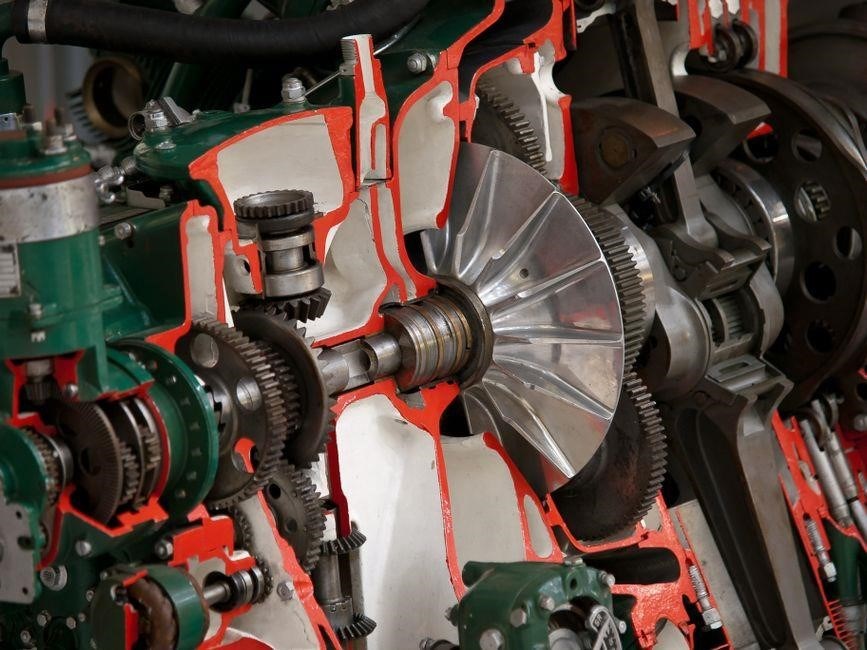
Check oil every 50 hrs, change filter, inspect fuel lines, clean air filter monthly, test battery, keep spark plug clean, lubricate moving parts, inspect exhaust, ensure proper ventilation, and store in dry place.
Inspect the cooling fan, replace worn belts, and check battery terminals corrosion.!
Regular oil changes keep the engine running smoothly in all operating conditions. Use the manufacturer‑specified SAE 10W‑30 or 15W‑40, depending on ambient temperature for optimal performance. Drain the oil at the lowest point of the oil pan, replace the drain plug, and add fresh oil to the marked level maintain engine longevity. Check the oil filter for clogs; replace it every 200 hours or when the filter becomes visibly dirty ensure reliability! A clogged filter restricts oil flow, increasing wear on bearings and pistons. For the fuel system, clean or replace the fuel filter every 300 hours or if you notice a drop in power output for consistent power delivery. Remove the filter housing, inspect for carbon buildup, replace with a new one to maintain fuel quality. Fuel lines inspected for cracks or leaks; replace damaged sections to prevent leaks. Battery is a critical component for starting and maintaining regulation to protect the battery. Inspect battery terminals for corrosion; clean with baking soda, water, and re‑apply petroleum jelly to prevent rust and keep the battery clean. Check the battery charge level with a voltmeter; it should read 12.6 V or higher when fully charged to ensure accurate voltage. If the battery is below 12 V, recharge it with a charger that matches the battery’s capacity to maintain battery life. Replace the battery after 3–5 years of use or when it fails to hold a charge to keep the battery reliable. Proper care of these three elements ensures reliable operation, extends the generator’s lifespan, reduces the likelihood of costly repairs to ensure long-term reliability. Follow the manufacturer’s intervals and use approved parts for warranty and performance to keep the generator running.
Troubleshooting Common Issues
Check fuel level, filter, and spark plug. If engine won’t start, verify battery charge and connections. For low output, inspect regulator and voltage settings. If overheating, ensure ventilation and clean cooling fins Refer to manual for detailed diagnostics.
Diagnostic Steps and Remedies
When the PowerMate 6250 behaves oddly, start by checking fuel: tank full, cap sealed, filter clean. A clogged filter stops flow and may cause sputtering. Inspect the spark plug; clean or replace it and verify the gap. A bad plug stops ignition
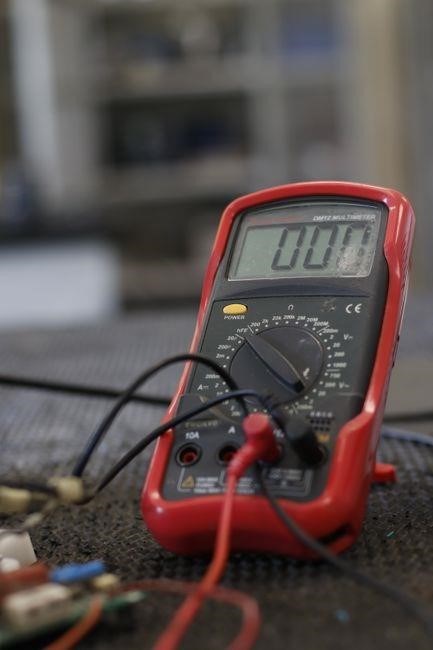
Check battery and starter. Ensure the battery is charged and terminals are corrosion‑free. Tighten all connections. If the engine won’t crank, test the starter motor with a multimeter to verify voltage.
Inspect the automatic voltage regulator (AVR). If output voltage is unstable, reset the AVR by disconnecting the battery for a few minutes and reconnecting. Verify the AVR is seated and wiring is intact. A faulty AVR can cause shutdown under load.
Examine the cooling system. Clean the air intake filter and ensure cooling fins are clear. Overheating triggers the thermal cutoff. If the generator shuts after a short run, let it cool and restart. Persistent overheating warrants fan motor inspection.
Run a load bank test: connect a known load and monitor voltage and current. If voltage drops below the rated output, the alternator may be damaged. Contact a qualified technician for inspection or alternator replacement.

Parts, Accessories, and Ordering
Order genuine parts from Coleman’s official site or authorized dealers. Common items include oil filters, spark plugs, and battery packs. Check the serial number on the manual for compatibility. Shipping is worldwide, with return policy within 30 days.
Replacement Parts List and Purchase Channels
Below is a concise list of key replacement components for the Coleman PowerMate 6250, along with recommended procurement routes. All parts are OEM or certified equivalents to preserve warranty and performance.
- Engine Oil Filter – 0.5 in., 10 in. Available from Coleman Parts Direct, eBay, local shops.
- Spark Plug – 10 mm, 20 mm thread, 0.5 in. gap. Buy via Coleman website or Amazon Prime.
- Battery Pack (12 V, 12 Ah) – sealed lead‑acid. Order through Coleman service portal or certified distributors.
- Fuel Filter – 4‑inch diameter, 2‑inch length. Source from Coleman Parts Direct or automotive stores.
- Voltage Regulator – 120 V/240 V, 6.25 kW. Must be OEM; order directly from Coleman or certified service centers.
Ordering Channels:
- Official Coleman Parts Direct – https://www.powermate.com/support/manual-search. Direct OEM parts, warranty support, shipping worldwide.
- Authorized Retailers – Home Depot, Lowe’s, AutoZone. Verify part numbers against manual.
- Online Marketplaces – Amazon, eBay. Look for seller ratings; OEM code matching essential.
- Local Service Centers – Certified Coleman repair shops provide parts and installation services.
Verify compatibility with the generator’s serial number. Use approved OEM or certified equivalents for safety and.