Start your quick shop run by setting a clear goal, listing items, and checking the nearest outlet. Pack essentials, plan a route, and leave at a fixed time to avoid rush. Keep your list handy, stay focused, and finish on time. Remember to check for sales and bring a reusable bag!.

Gather Essentials
Before heading out, gather a reusable bag, a wallet, phone, and a small notebook. Check the weather, pack a light jacket if needed, and bring a small umbrella. Keep a list of must‑buy items and any coupons to save time and money. Remember to double‑check your list before leaving.
Check Your Wallet
Before you step out, ensure your wallet is ready for the quick trip. Begin by checking the cash balance; a few notes can cover small purchases and avoid the hassle of searching for a nearby ATM. If you rely on cards, verify that your debit and credit cards are functional and that you have enough credit limit for any unexpected items. Don’t forget to scan for any expired cards or loyalty cards that might be useful for discounts. Keep a small amount of change handy for vending machines or small stalls. It’s also wise to have a backup payment method, as a mobile wallet or a prepaid card, in case the primary card is declined. Remember to keep your wallet organized: separate cash, cards, and receipts in designated pockets or a small pouch. A tidy wallet saves time and reduces the risk of losing items. Finally, double-check that you have any necessary coupons or discount codes printed or saved on your phone, as these can be scanned at the register to save money. A well‑prepared wallet means a smoother, faster shopping experience. Additionally, keep a small, discreet wallet organizer or a slim cardholder to separate cards from cash, reducing clutter and speeding up transactions. If you’re traveling, consider a travel wallet with RFID protection to keep your identity safe. Finally, after each trip, review your wallet contents to ensure nothing is missing and that your budget remains on track. 2023!
Pack a Quick Bag
When preparing for a rapid shopping excursion, the bag you choose can make or break your efficiency. Opt for a lightweight, open‑top tote or a small backpack that offers easy access to essentials. Begin by selecting items that fit within the bag’s capacity—no more than three to five items to keep the load manageable. Include a reusable grocery bag, a compact reusable water bottle, and a small notebook or digital device to keep track of your list. Avoid packing heavy or bulky items that could shift during transit. If you anticipate carrying a small purchase, consider a foldable pouch that can be tucked into the main compartment. Keep your wallet, phone, and keys in a dedicated pocket or zippered pocket to prevent loss. A small pouch or zippered pocket inside the bag can hold these items securely. For added convenience, attach a keychain or a small bag to the outside of the tote so you can grab it quickly without rummaging. If you’re traveling, a lightweight travel bag with multiple compartments can help you separate groceries from personal items. Finally, always double‑check the bag’s straps and closures before you leave to ensure everything stays in place. A well‑packed quick bag not only saves time but also reduces the risk of forgetting essential items or having to return for forgotten items. 2023!
Keep the weight balanced; items at the bottom, lighter on top. This helps stability and reduces shoulder strain. 2023!

Set Your Time Limit
Setting a strict time limit transforms a routine errand into a focused mission. Begin by estimating the average duration of each task: checking the list, walking to the counter, paying, and returning. Add a buffer of 10–15 percent to accommodate unexpected delays. For example, if the total expected time is 20 minutes, aim to finish within 23 minutes. Use a timer or a phone alarm to keep track. When you start, glance at the clock and mentally note the deadline. This mental anchor helps you stay on pace. If you’re using public transport, factor in travel time and potential wait times. Adjust the limit downward if you’re in a hurry or upward if you have a relaxed schedule. Keep the limit realistic; pushing yourself too hard can lead to rushed purchases and missed items. Regularly review the time spent and refine the limit for future trips. A well‑calibrated time window keeps the outing efficient, reduces stress, and ensures you return home on schedule. and you’ll find that a flexible schedule keeps you
After each trip, jot down how many minutes you actually spent and compare it to the planned limit. If you consistently finish early, consider adding a few minutes to your next deadline to allow for unexpected detours. Conversely, if you’re running late, trim the list or skip non‑essential items. Keep a running log in a notebook or a phone app; this data helps you refine your timing strategy over time. Remember that a realistic time limit is a living guideline, Done.
Map Out the Route
Plot the quickest path by marking the shop, home, and any detours on a map. Prioritize straight streets, avoid known traffic spots, and choose a route that keeps you within your time limit. Use a navigation app for real‑time updates.
Check alerts!!.
Identify Nearby Shops
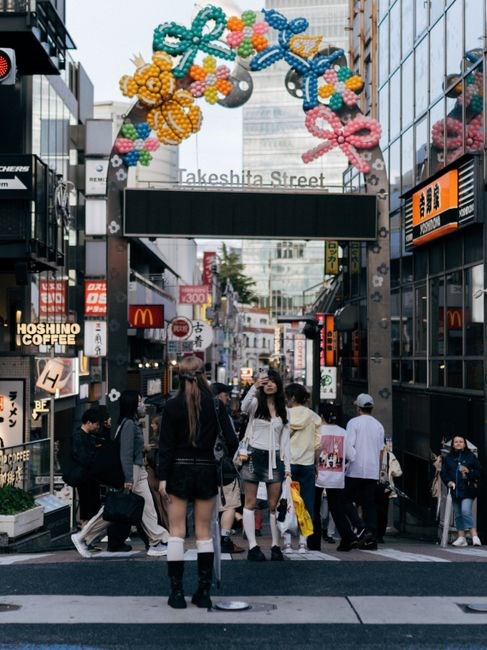
Begin by scanning your immediate surroundings for visible storefronts, noting their names and distances. Use a smartphone or paper map to mark each shop’s location, ensuring you capture both major retailers and niche boutiques. If you’re in a residential area, check the local directory or community bulletin board for business listings. For a more precise approach, open a navigation app and input your destination; the app will list nearby stores within a set radius, often providing walking times and traffic conditions. Pay attention to store signage, which can reveal brand names and product categories at a glance. If you’re unsure about a shop’s exact address, a quick call or a text to the front desk can confirm its proximity and operating hours. Finally, keep a mental or written note of the shops you plan to visit, noting any special promotions or seasonal items that might influence your route.Check opening times to avoid surprises, plan accordingly. This systematic identification step ensures you’re not missing hidden gems and that your shopping run is efficient and enjoyable. By cross-referencing multiple sources—such as online reviews, local forums, and recommendations—you can build a reliable map of the area’s retail landscape, ensuring no essential stop is overlooked.Remember to double‑check opening hours before you head out, as some stores may close early on weekends or observe holidays. This saves time and saves calm.
Plan the Most Efficient Path

Begin by mapping each shop’s exact location relative to your starting point. Use a simple grid or a digital map to plot the coordinates, then calculate straight‑line distances or walking times between every pair of shops. Once you have the distances, arrange the shops in a sequence that minimizes the total travel time. A common strategy is to follow a “snake” pattern: move in one direction until you reach the farthest shop, then reverse direction, picking up any remaining stops along the way. This approach reduces backtracking and keeps your path linear. Always check for one‑way streets, pedestrian zones, or construction that could force detours. If a shop lies off the main path, group it with nearby stops to avoid unnecessary turns. Consider traffic patterns: avoid main roads during rush hour and use quieter side streets. When you have a tentative route, simulate the walk on a map, noting intersections that require a turn or a bridge crossing. Adjust the order if a particular turn leads to a congested intersection. Factor in checkout times; a busy store may need a few extra minutes. Write the final route in a note app or on paper, marking the sequence and expected times. This clear plan keeps you on track, reduces the chance of forgetting a stop, and helps you navigate a maze of streets efficiently. Use a quick glance at the map to confirm the next turn, and keep your phone charged!!??KeepcalmStay cool!!
Check for Traffic or Road Closures
Before you head out, scan real‑time traffic feeds from your city’s transportation department, or use popular navigation apps that flag congestion, accidents, or construction zones. Look for posted detour signs on the road ahead; a quick glance at the highway entrance can reveal whether a lane is closed or a bridge is under repair. If you’re walking, check local community boards or neighborhood groups for any street‑closure notices due to festivals, parades, or maintenance work. A five‑minute pause at the curb to read a posted notice can save you from a dead‑end or a back‑track. When you’re on the move, keep an ear tuned to local radio traffic updates; many stations provide minute‑by‑minute alerts that can be heard even if your phone battery is low. If you notice a sudden slowdown, pull over safely and consult a map or your phone’s offline navigation to find an alternate route. For those using public transport, verify the schedule and any service disruptions that might affect bus or tram lines; In the event of a major closure, consider a different mode of transport—cycling or a rideshare can bypass closed streets. Always have a backup plan: a list of nearby alternative shops or a secondary route that keeps you within your time limit. By staying informed and adaptable, you’ll avoid unexpected delays and keep your shopping trip on track. If you’re traveling during peak hours, pre‑plan your departure to avoid the worst traffic. Use a traffic‑aware route planner that reroutes automatically when a congestion alert appears. For cyclists, check the bike‑lane status; sometimes lanes are temporarily closed for maintenance. Keep a small notebook or a note app handy to jot down any unexpected detours you encounter; this information can help future trips. If you’re driving, remember that some closures affect only certain directions; a left‑turn closure might still allow right‑turns. Also, be aware of any temporary speed limits or stop‑and‑go signs that can slow you down. Finally, after you complete your run, share your experience on a local forum; your feedback can help others avoid the same pitfalls. By staying vigilant and prepared, you’ll navigate traffic and closures smoothly, ensuring a quick and efficient shopping experience.

Execute the Trip
Leave promptly, follow your planned route, keep your list visible, and stay focused. Use public transport or walk efficiently, noting any detours. Check your phone for traffic updates, and adjust speed to avoid delays. Return quickly, then review. Done!!!
Leave Promptly
Timing is the cornerstone of a successful pop‑to‑the‑shops run. Timing is the cornerstone of a successful pop‑to‑the‑shops run. Timing is the cornerstone of a successful pop‑to‑the‑shops run. Timing is the cornerstone of a successful pop‑to‑the‑shops run. Timing is the cornerstone of a successful pop‑to‑the‑shops run. Timing is the cornerstone of a successful pop‑to‑the‑shops run. Timing is the cornerstone of a successful pop‑to‑the‑shops run. Timing is the cornerstone of a successful pop‑to‑the‑shops run. Timing is the cornerstone of a successful pop‑to‑the‑shops run. Timing is the cornerstone of a successful pop‑to‑the‑shops run. Timing is the cornerstone of a successful pop‑to‑the‑shops run. Timing is the cornerstone of a successful pop‑to‑the‑shops run. Timing is the cornerstone of a successful pop‑to‑the‑shops run. Timing is the cornerstone of a successful pop‑to‑the‑shops run. Timing is the cornerstone of a successful pop‑to‑the‑shops run. Timing is the cornerstone of a successful pop‑to‑the‑shops run. Timing is the cornerstone of a successful pop‑to‑the‑shops run. Timing is the cornerstone of a successful pop‑to‑the‑shops run. Timing is the cornerstone of a successful pop‑to‑the‑shops run. Stay focused and efficient. Keep calm. Remember to stay ca. Keep list handy. Thank you. Stay OK!

Use Public Transport or Walk
Choosing the right mode of travel can save time, reduce stress, and boost your mood. If the shops lie within a comfortable walking distance, stepping out on foot gives a burst of exercise and lets you soak in the local atmosphere. Walking is free, eco‑friendly, and you can pause for a coffee or a stretch if the route feels too long. On the other hand, if the distance is greater or the weather is unfavorable, public transport offers a reliable alternative. Buses, trams, and subways run on fixed schedules, and most cities provide real‑time updates through mobile apps or station displays. Before you head out, check the latest timetable, confirm any service changes, and plan a route that minimizes transfers. A single bus ride might be faster than a long walk, especially when traffic or construction slows down streets. Many transit systems provide free Wi‑Fi, allowing you to catch up on emails or enjoy a podcast while you travel. Keep a lightweight bag with essentials—wallet, phone, reusable water bottle, a snack to stay comfortable and ready for any last‑minute needs. If you’re using a bike, consider a bike‑friendly route with dedicated lanes or low‑traffic streets. Finally, stay alert to your surroundings, follow safety guidelines, and enjoy the journey as part of your quick. shopping adventure. Remember that public transport schedules can vary during weekends or holidays, so double‑check the timetable before you depart!
Keep the List in Hand
Keeping your shopping list close is essential for a smooth, efficient trip. Print it on a small card or type it into a note app so you can glance at it without pulling out your phone. As you walk, scan each item against the list, checking off what you’ve found. This prevents double‑buying and saves time. If you’re using a digital list, enable the voice‑to‑text feature so you can add items on the go. Remember to keep the list in a pocket or a small pouch that’s easy to reach. A clear, organized list helps you stay focused on what you need, reducing impulse purchases. Before you leave, review the list one more time to confirm you haven’t missed anything. During the trip, if you spot a sale or a better price, note it next to the item so you can decide later. When you finish, cross out the items you’ve bought, and if you’re returning to the store, you’ll know exactly what still needs to be purchased. Finally, after you’re done, update the list for your next shopping run, adding any new items or removing those you’ve already stocked. This habit turns a simple errand into a well‑planned, stress‑free experience. Keep the list handy, and you’ll breeze through the aisles, making your shopping trip quick and satisfying. When you return, review what worked and adjust the list for next time, ensuring even faster trips. Enjoy the efficiency. Every time. Remember, a organized list saves minutes, reduces stress, and keeps your budget.

Reflect and Optimize
After returning, assess time spent, compare with planned duration, note any delays, and adjust future routes. Update your list based on items bought, add new needs, and remove duplicates. Plan next visit by selecting best times and routes for quicker shopping. refine strategy now.
Review Your Time Spent
When you return from your quick shop run, the first step in optimizing future trips is to review the exact time you spent. Grab a notebook or a notes app and jot down the departure time, the arrival time at each store, the checkout time, and the final return time. Subtract the start time from the end time to get the total duration. Compare this figure against the time you initially allocated. If you were ahead of schedule, note what contributed to the efficiency: perhaps a well‑planned route, a clear list, or favorable traffic conditions. If you fell behind, identify the bottlenecks—did you linger too long in the aisles, did a cashier line slow you down, or did unexpected detours add extra minutes? Recording these details creates a data set that you can analyze over multiple trips. Look for patterns: maybe certain times of day are consistently slower, or particular stores have longer checkout lines. Use this insight to adjust your future plans—shift your departure time, choose alternative routes, or reorder your shopping list to reduce backtracking. By systematically reviewing your time spent, you transform each trip into a learning experience that sharpens your efficiency and saves you both time and money. Additionally, consider the emotional cost of rushing versus a relaxed pace. A slightly longer trip that feels less stressful can be more productive in the long run. Record your subjective feeling on a scale of 1 to 10, and see if there is a correlation between time and satisfaction. This holistic view ensures that optimization is not just about speed but also about the quality of the shopping experience.
Update Your Shopping List
After each shopping excursion, return to your digital or paper list and cross‑check every item you intended to buy. Highlight those you actually purchased, and note any new items that slipped into your cart—perhaps a seasonal deal or a forgotten staple. Remove items that were already in stock at home or that you decided against. This cleanup ensures the list stays lean and relevant. Next, evaluate the categories that consumed the most time or caused confusion. If you spent excessive minutes searching for a single product, consider moving that item to a higher‑priority section of the list or marking it with a distinct symbol. For recurring purchases, convert them into a separate “regulars” section to streamline future runs. Incorporate any feedback from the trip: if a particular store had limited stock, add a note to check availability before heading there next time. Also, reflect on any impulse buys; if they were truly needed, add them to the list permanently, otherwise flag them for removal. Finally, save the updated list in a cloud‑based note or a shared app so that it syncs across devices, allowing you to edit on the go. By keeping your shopping list dynamic and responsive to real‑world experiences, you reduce wasted trips, avoid missing essentials, and maintain a clear, actionable plan for every visit. Remember to double‑check the list before leaving; a glance can catch forgotten items save a trip.
Plan the Next Visit
Use the data gathered from the last trip to refine your approach. Start by reviewing the updated shopping list, noting any items that were missed or added; Prioritize high‑frequency purchases and group them by store proximity. Create a new route that minimizes backtracking, using a mapping tool or a simple paper sketch. Set a realistic time window, accounting for peak traffic or store hours, and decide whether to use public transport, a bike, or a short walk. Pack a lightweight bag with reusable containers, a water bottle, and a small notebook for quick notes. Before leaving, double‑check the list for any last‑minute additions, such as a seasonal sale or a new product launch. During the trip, keep the list visible and tick off items as you shop to avoid duplication. After the run, evaluate the time spent at each store, the efficiency of the route, and any unexpected delays. Update the list again, removing completed items and adding new ones that emerged. Finally, schedule the next visit by setting a date and time that aligns with your routine, ensuring you have enough buffer for unforeseen events. By continuously iterating on your plan, you’ll turn a simple shopping trip into a streamlined, time‑saving routine that adapts to your changing needs. Remember to keep the list updated in real time syncing to your phone, so you can add or remove items, ensuring it is as efficient as possible and reduces the chance of forgetting essential items.!